
Alan Turing
Widely regarded as the father of modern computing and cryptology.
Alan Turing's Legacy
Alan Turing is widely regarded as the father of modern computing and cryptology. His work at Bletchley Park is credited with shortening the Second World War and saving millions of lives, and his post-war thinking laid much of the groundwork for the digital world we live in today.
Yet for most of his life, his achievements went largely unrecognised and he was persecuted for who he was, dying before the country he had done so much to protect could properly honour him. A posthumous royal pardon in 2013 went some way to acknowledging that injustice.
The Turing Project exists to make sure his story, the brilliance and the injustice alike, is never forgotten, and to turn his legacy into something living: a place of curiosity, invention and second chances for the young people who come after him.
History Overview
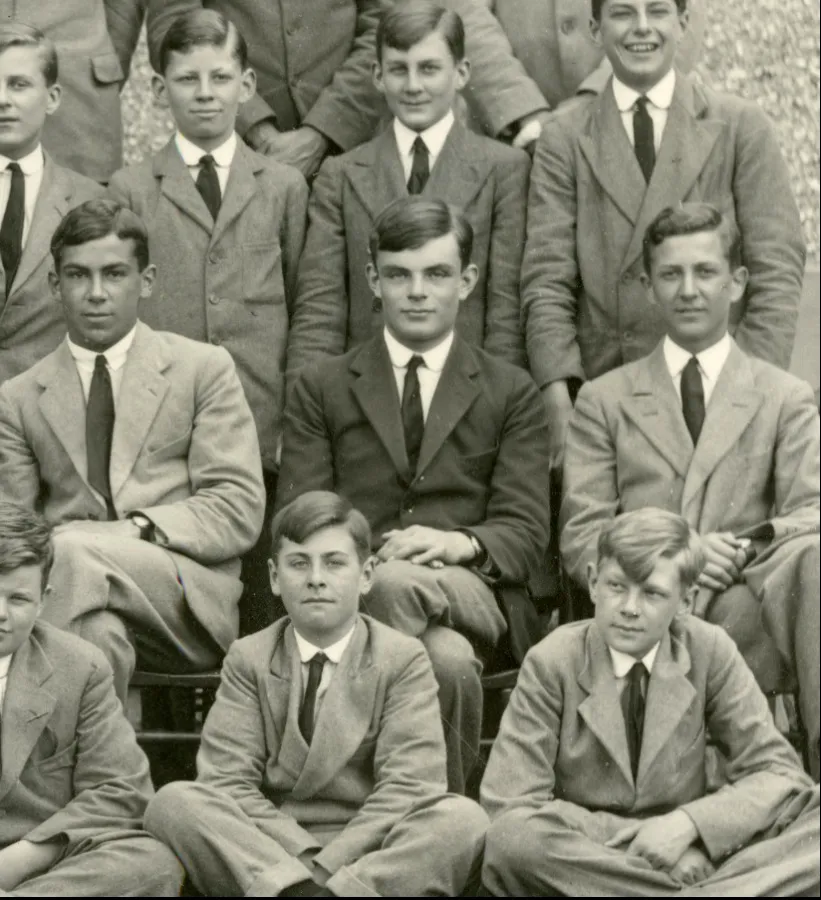
1926 - Turing arrives at Sherborne
1930 - A friendship that shaped his thinking
1936 - The idea of the universal computer
1939 - Turing arrives at Bletchley Park
1950 - Can machines think?
1954 - A life cut short, a legacy just beginning
2026 - Turing returns to Sherborne
Turing History
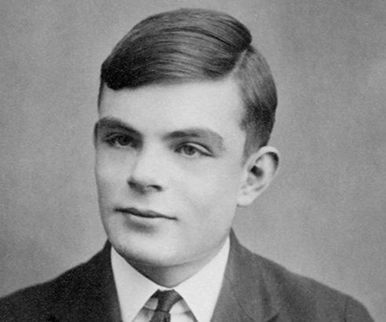
Alan Turing began his education at Sherborne School in 1926, arriving as a shy, unconventional boy with an extraordinary mind for mathematics.
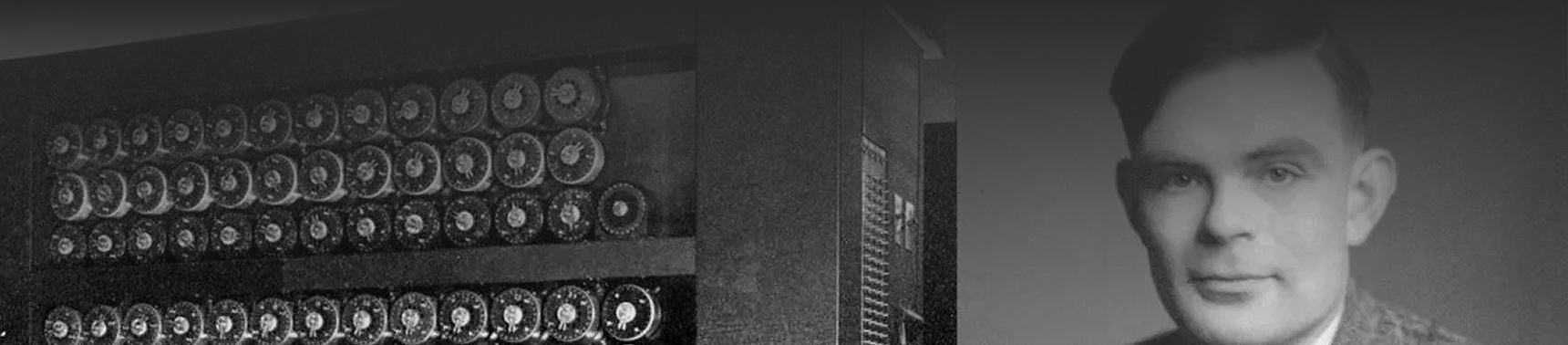
During the Second World War, he was central to the codebreaking effort at Bletchley Park, where his work on the Enigma cipher is widely credited with shortening the war by an estimated two years and saving countless lives.
After the war, Turing turned his attention to the emerging field of computing, developing ideas that would go on to define modern computer science and artificial intelligence, including what we now know as the Turing Test.
Despite this, he was prosecuted in 1952 for his sexuality under laws of the time and died in 1954. In 2013 he received a posthumous royal pardon, and today he is celebrated as one of the most influential scientific minds of the twentieth century.
2026 marks 100 years since Alan Turing first arrived at Sherborne School, the starting point for everything that followed.